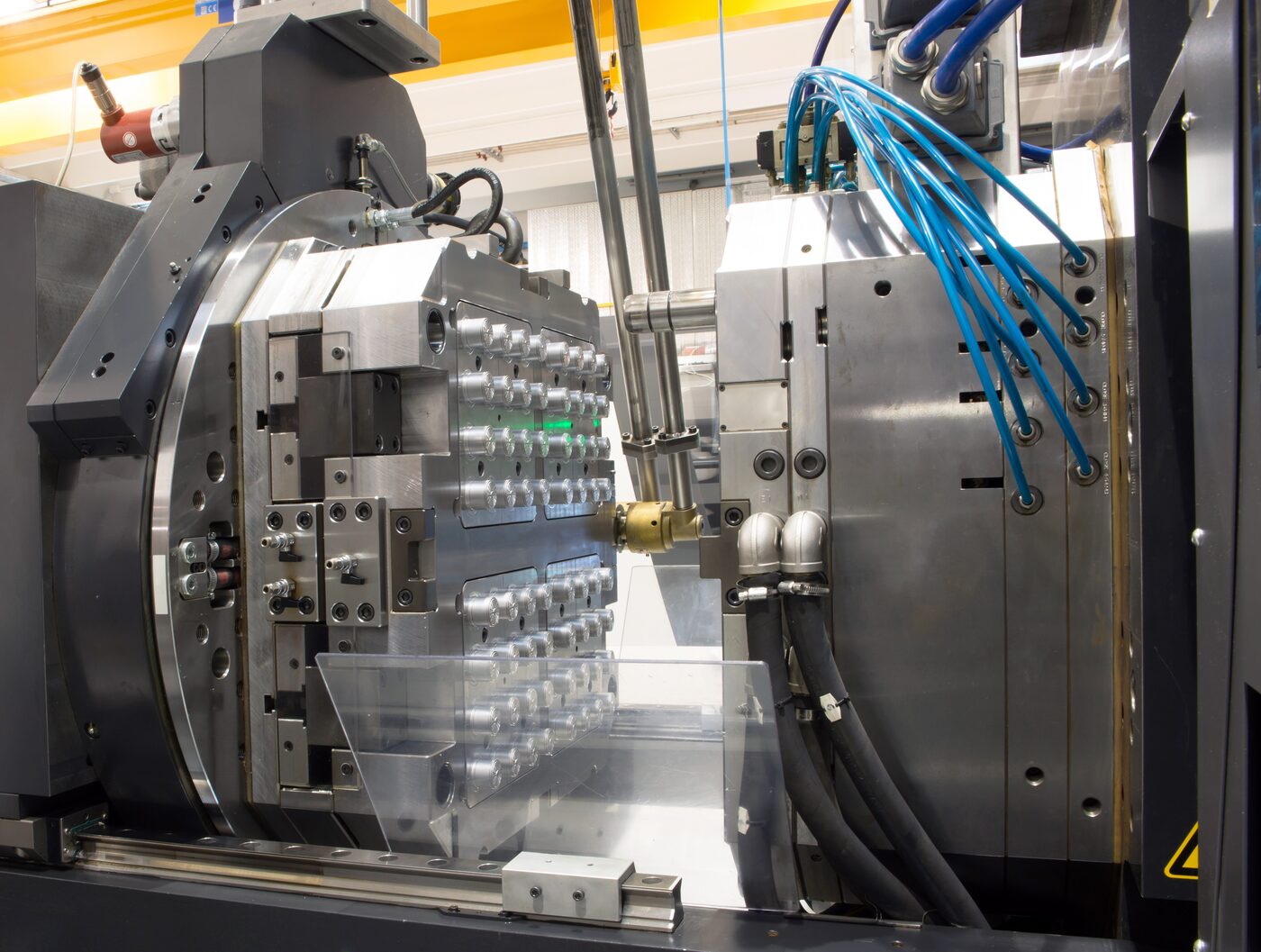
AI-powered process memory.
Accessible from anywhere on the shop floor.
ARGUS combines artificial intelligence with process engineering — capturing technologists' experience, production history, and polymer processing domain knowledge, bridging the gap between a question and an informed decision.
Manufacturing expertise is the most valuable — yet most volatile asset of any injection molding operation.
ARGUS structures expert knowledge into a lasting, accessible organizational asset.
Knowledge is scattered
Machine settings, parameter adjustments, production observations — they exist in the heads of individual technologists, in paper-based process cards, in spreadsheets of unknown currency. None of these resources are systematically accessible.
Knowledge is perishable
When an experienced technologist leaves, years of empirical knowledge are lost. No system has been able to capture it until now. The average age of industry experts is rising, and onboarding a new employee takes 6–12 months.
Expert knowledge is expensive — and hard to access
Mastering the injection molding process at an expert level takes years. Most plants have one, maybe two people with that depth of knowledge. The rest of the team makes decisions without it — or waits.
ARGUS — your organization's digital process memory
The platform consists of two independent modules — each designed for a different environment and a different user.
Knowledge Management Panel
The central hub for your plant's know-how. This is where projects, material data sheets, production history, and technical documents are stored. The engineer builds and approves the knowledge base — the technologist on the floor only accesses what has been verified. Runs in any browser, no installation required.
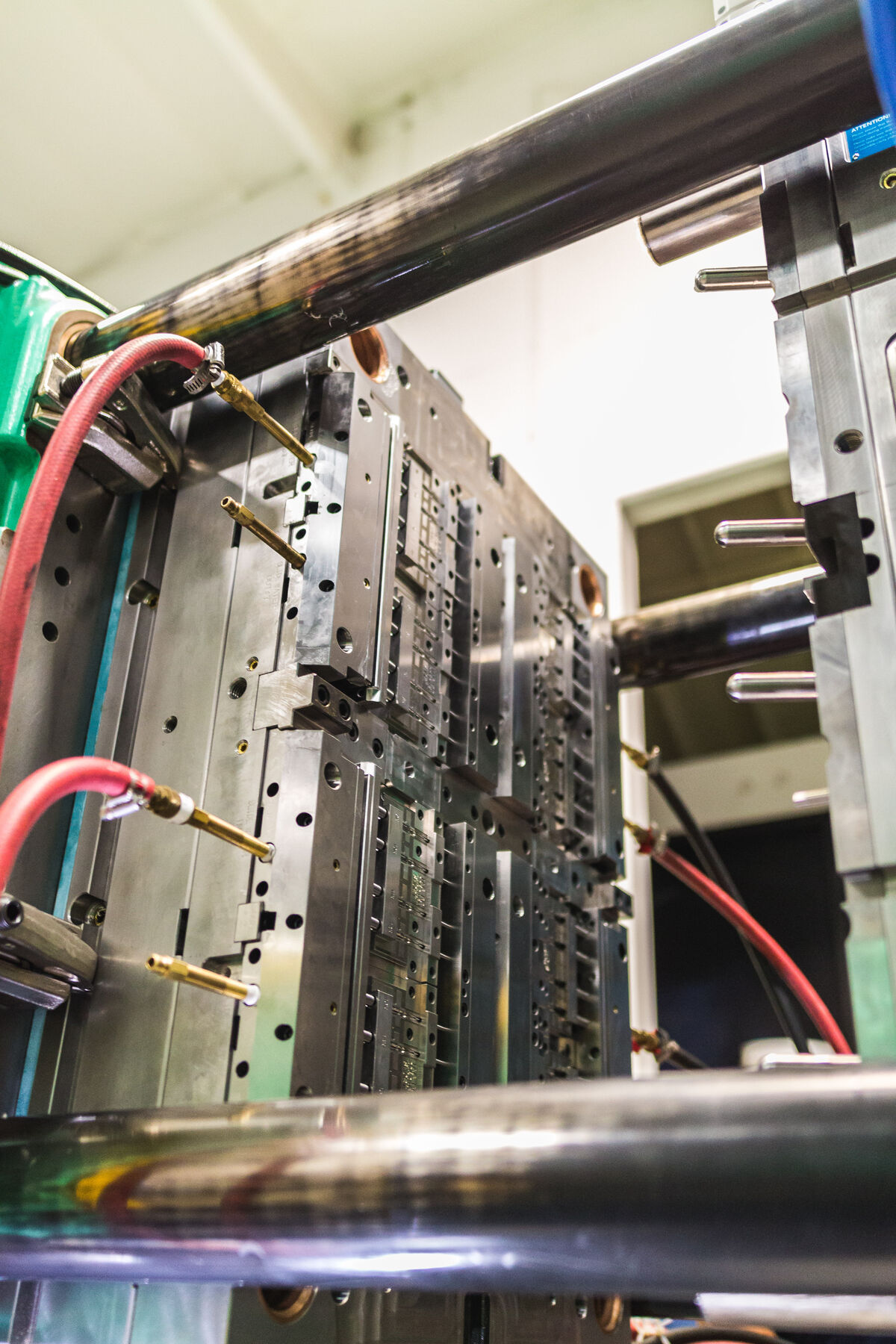
ARGUS Process Engineer Assistant
An assistant available on a tablet right at the injection molding machine. The technologist converses with ARGUS — by voice or text — and the system searches the integrated repository of domain, project, and process knowledge based on the query context, retrieving information relevant to the current situation. Your data stays on your server — only anonymized queries reach the AI engine.
A system that learns
from every interaction
Question
The technologist asks a question by voice or text, from a tablet on the shop floor. The system understands technical jargon and recognizes the context: mold, machine, material.
Multi-source analysis
ARGUS simultaneously searches production history, material data sheets, computational modules, and the knowledge base. Every step of the agent's reasoning is visible in real time.
Recommendation with rationale
The response includes specific parameters, source references, a confidence level (0–100%), and verification suggestions. Technologist feedback feeds the system's learning algorithm.
Learning
With every resolved issue, ARGUS identifies patterns: differences between machines, material-specific behavior, effectiveness of individual approaches — and retains them.
Analysis
The system combines empirical knowledge with engineering calculations, material data sheets, and the technical database. Recommendations from five sources simultaneously, with explicit confidence scoring.
Capture
Every interaction — conversation, resolved issue, shop floor observation — is automatically recorded and structured without any additional effort from users.
Six areas where plants see measurable improvement
Each of these areas addresses a specific operational challenge that ARGUS resolves systematically — from day one of deployment.
Process knowledge continuity
Process know-how is captured in real time — parameters, adjustments, decisions. Staff turnover no longer means losing years of accumulated production experience.
Standardized process parameters
A unified parameter database eliminates variation between shifts and operators. Every workstation runs on the same validated settings — regardless of who is on duty.
Data-driven decision support
Every recommendation includes its source, confidence level, and suggested validation steps. The technologist retains full decision authority — but operates on data, not intuition alone.
Full machine fleet integration
ENGEL, ARBURG, KraussMaffei, Haitian — ARGUS operates independently of machine manufacturer. Process knowledge transfer between machines is handled automatically within a single system.
Reduced production startup time
Startup parameters are generated from production history, machine specifications, and engineering calculations — before mold installation. Fewer trial runs and reduced material waste.
Automated process documentation
Process sheets, parameter change reports, and startup history are generated automatically during system operation — with no additional effort required from the operator.
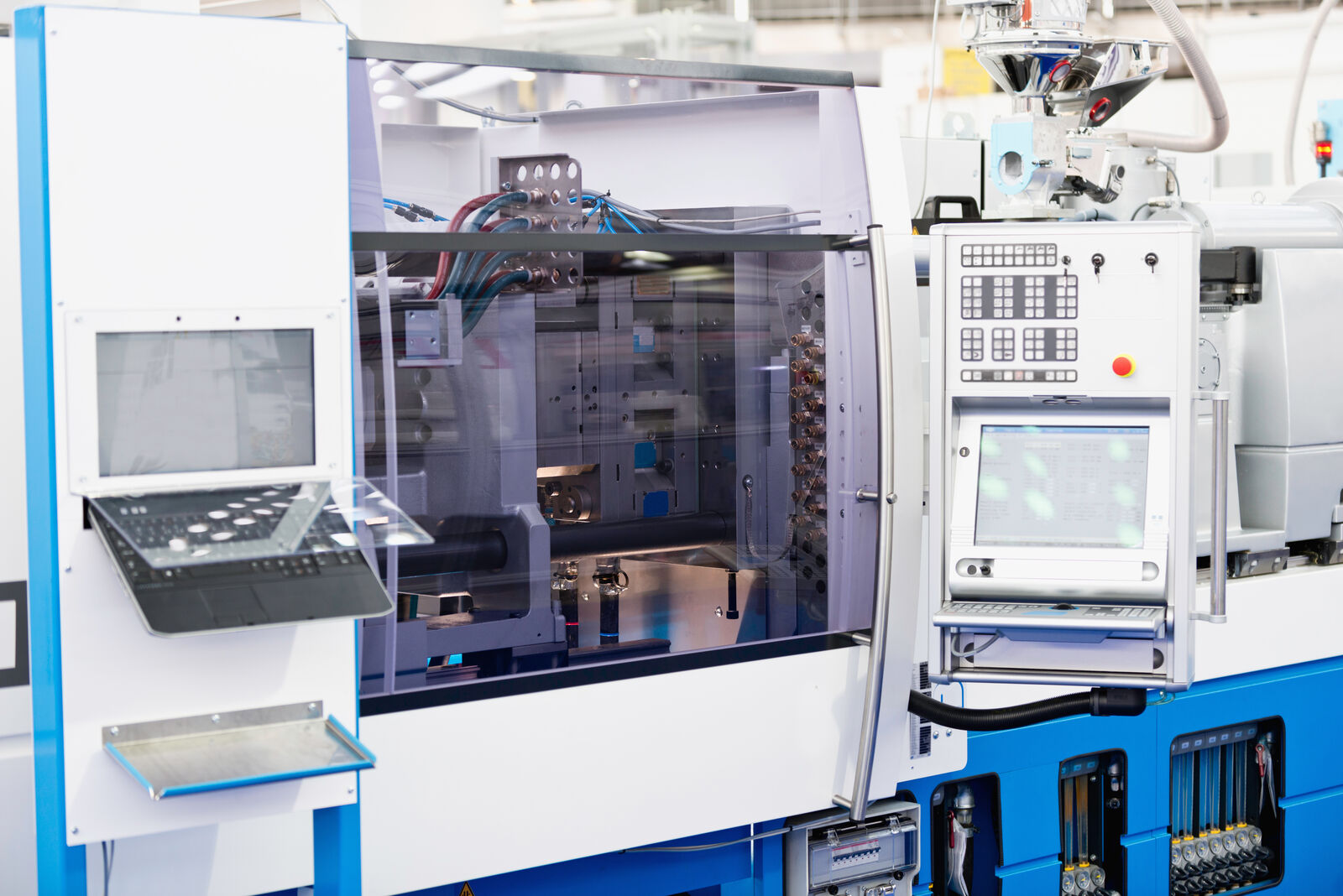
Every plant accumulates knowledge. Few can actually leverage it.
ARGUS combines textbook knowledge with empirical data — preserving your machine fleet specifics, production history, and team observations. With every startup, diagnosis, and mold transfer, this asset grows.
One tool, three perspectives
ARGUS addresses the distinct needs of every role in the organization — from the plant owner to the engineer and the technologist on the shop floor.
Your technologists' know-how is the greatest — and most at-risk — asset of any manufacturing plant
Every expert departure is a real operational risk and a costly competence rebuilding process. ARGUS eliminates this dependency structurally — expertise stays in the organization, even when people leave.
- → Plant know-how protection independent of workforce changes
- → Scaling without proportional growth in expert headcount
- → Faster startups and lower scrap costs as a competitive advantage
- → One system for the entire machine fleet, no vendor lock-in
- → Installed on your server — process parameters, technology cards, and know-how never leave your company
The departure of a key technologist means losing expertise that cannot be quickly rebuilt — regardless of the recruitment and training budget.
Team expertise remains in the organization structurally — even when people leave.
Scaling production capacity without proportional growth in expert headcount — a new technologist reaches autonomy in 1–3 months instead of 6–12.
One system for the entire machine fleet — no machine vendor dependency.
Process standardization independent of workforce changes and operator experience level
Quality repeatability and startup predictability should not depend on a specific employee's competence. ARGUS introduces a uniform production standard based on the entire plant's expertise.
- → Uniform starting parameters across all machines — regardless of operator or shift
- → Defect diagnostics based on decision trees and plant production data
- → Shorter new employee onboarding — no knowledge loss during staff turnover
- → Automatic process documentation — process cards without additional effort
- → Complete history of process decisions available for analysis and audit
Process repeatability and startup time depend on a specific employee's competence — not on a documented plant standard. Staff turnover means rebuilding operational knowledge each time.
The plant's expertise is codified in the system — accessible to every operator, regardless of tenure.
Defect diagnostics follow a uniform methodology — without dependence on individual experience.
Complete documentation of every process decision generated automatically — no manual spreadsheet updates.
Precision at the project stage. Confidence on the floor. One tool.
From new mold analysis to defect diagnostics on the night shift — on a tablet or computer, with full visibility into where every recommendation comes from.
- → Starting parameters from five sources: geometry analysis, similar projects, previous production data, TDS data sheet, engineering calculations — with confidence scoring for each recommendation
- → 65+ computational modules: cooling time, clamp force, process window, shrinkage, and more
- → Mold transfer between machines accounting for design differences
- → 21 defect diagnostic trees or part photo analysis — diagnosis in minutes, not hours
- → Process cards generated automatically — with rationale for every parameter
Manufacturing expertise is scattered across spreadsheets, notebooks, and experts' heads — and must be reconstructed from scratch for every new project or shop floor issue.
Synthesis of five sources in a single response — with visible methodology and confidence scoring instead of searching through scattered data.
Defect diagnosis in minutes instead of hours — no escalation, no waiting for an expert's availability.
Process card with rationale for every parameter — instead of starting from scratch in spreadsheets.
Your plant's know-how stays at your plant
Process parameters, technology cards, production history — this is capital built over years. We deploy ARGUS directly within the client's infrastructure. Your knowledge base stays on your server — only anonymized queries reach the AI engine.
Always
on-premise.
At the client's site.
Data stays within your plant's internal network
The system runs on the client's server. Process cards, mold history, knowledge base — everything stored locally, with no copies on external servers.
Full control on the client's side
Who has access, how long data is retained, when backups are created — these are the plant's decisions, not the software vendor's.
Project and mold names never reach AI models
Before every query to an external language model, data is anonymized. Your plant's proprietary nomenclature stays exclusively with the client.
Role-based access
The technologist sees what belongs to them. The engineer manages projects. Every operation is logged — who, what, and when.
Each company sees only its own data
Data isolation at the system architecture level. No client has access to another organization's information.
Deployment without production interference
ARGUS operates alongside your plant's existing infrastructure — without connecting to machine controllers and without impacting production continuity.
FAQ
How long does implementation take?
From installation to first launch and testing we need 3 days. This includes installation on the plant's server, configuration, integration with existing process documentation, and team training. The system starts learning from day one.
Which machines are supported?
ARGUS is machine-agnostic. It supports injection molding machines from ENGEL, ARBURG, KraussMaffei, Wittmann Battenfeld, Haitian, Sumitomo Demag, and others. Process parameters are normalized to a common format regardless of the controller.
Does the system require internet access?
The knowledge base and documentation remain on the plant's server. Internet access is required for the AI engine — only anonymized queries leave the server. Project names, mold names, and part details never leave the premises.
How is data security handled?
Fully on-premise installation — data never reaches the cloud. Before each AI engine query, client data is anonymized (SHA-256 with prefixes). Role-based access control, encryption at rest and in transit.
Do we need to change existing systems?
No. ARGUS runs in parallel — without interfering with machine controllers, MES, or ERP systems. No changes to production infrastructure required. Data is entered via browser on a computer or tablet.
How does ARGUS learn from our data?
Every resolved process challenge is stored in the plant's knowledge base. The system analyzes similarity of geometry, materials, and parameters — for subsequent projects it automatically finds relevant experience and builds recommendations.
See how the A.R.G.U.S system works
A demo based on real calculations, materials, and diagnostic scenarios — showcasing the full capabilities of the tool.